

Want to Secure Your Confidence? Tips to Manage Unsteady Gait
Quick answer: Unsteady walking has many possible causes — the inner ear, nerves, joints, medications, muscle weakness, and occasionally a stroke — so the first step is finding out why. If it comes on suddenly with face drooping, arm or leg weakness, slurred speech or a severe headache, call 911. For the many people whose unsteadiness comes from weakness, stiffness or how they move, balance and strength training work: they cut the rate of falls by 23% across 116 trials.
An unsteady gait is a walking pattern that feels unbalanced or unreliable — wavering, veering, or needing to reach for support. It becomes more common with age and raises fall risk, but it is not simply an inevitable part of getting older. It usually has identifiable mechanical contributors.

Do you often feel off-balance or unsteady when you walk? You’re not alone. Many people experience gait disturbances, which can significantly impact daily life and confidence. An unsteady gait, characterized by an irregular or unstable walking pattern, can arise from various factors, from underlying medical conditions to postural imbalances.
In this article, we’ll explore the potential causes, symptoms, and strategies for improving balance and stability. By understanding unsteady gait, you can take steps to regain your confidence and enjoy greater independence.
Understanding Unsteady Gait
Unsteady gait, often described as a loss of balance or coordination while walking, can be a distressing and debilitating condition. Its severity can vary from mild difficulty to significantly impacting daily activities.
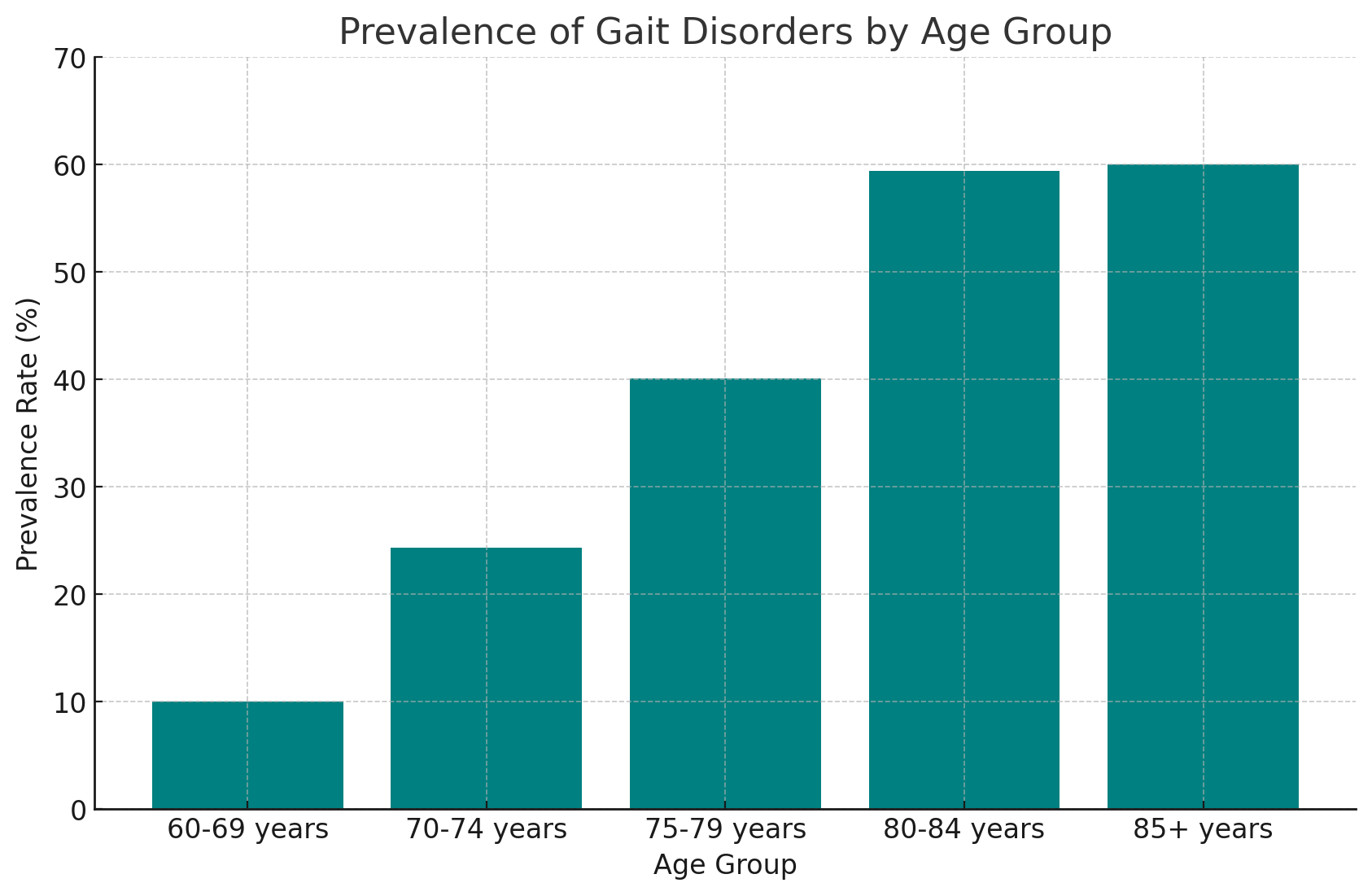
The prevalence of gait disorders markedly increases with age. There’s a significant jump in prevalence from the 60-69 age group (10%) to the 80+ age group (over 60%). The highest prevalence is seen in the 80-84 age group at 59.4%. Source: https://www.ncbi.nlm.nih.gov/pmc/articles/PMC5318488/
Common Signs and Symptoms
Recognizing the signs of unsteady gait is crucial for seeking appropriate help. Common symptoms include:
- Loss of balance: Difficulty maintaining upright posture, feeling off-balance or lightheaded
- Gait deviations: Changes in walking pattern, such as shuffling, staggering, crossing feet, reduced walking speed, or shorter strides
- Wobbly walking: Swaying or stumbling while walking
- Inability to turn: Difficulty turning or changing direction
- Fear of falling: Hesitation or fear of falling
- Reduced mobility: Difficulty performing daily activities due to balance issues
Common Causes of Unsteady Gait
The causes of unsteady gait and balance problems are diverse and often complex. Understanding these factors is crucial for effective management.
- Neurological Conditions: Disorders affecting the brain, spinal cord, or nerves can disrupt coordination and balance. Examples include Parkinson’s disease, stroke, multiple sclerosis, cerebral palsy, and peripheral neuropathy.
- Musculoskeletal Issues: Conditions such as arthritis, joint pain, muscle weakness, or leg length discrepancies can impact gait and balance.
- Vestibular Disorders: Problems with the inner ear can affect balance and coordination.
- Sensory Impairments: Vision problems, reduced proprioception (sense of body position), or decreased touch sensitivity can contribute to unsteady gait.
- Medications: Certain medications can cause side effects such as dizziness or balance disturbances.
- Age-Related Changes: As we age, natural decline in muscle strength, balance, and sensory perception can affect gait stability.
- Postural Factors: Poor posture, weak core muscles, and foot deformities can contribute to unsteady gait. Kyphosis, for example, is associated with increased fall risk.
- Lifestyle factors: Poor physical condition, lack of exercise, and low-demand environments can contribute to unsteady gait.
In many cases, unsteady gait is a result of multiple factors rather than a single underlying cause. A comprehensive evaluation may be necessary to determine the root of the problem and develop an appropriate treatment plan.
In the next section, we’ll explore the impact of unsteady gait on daily life and emotional well-being.
The Impact of Unsteady Gait
Unsteady gait can have a significant impact on both physical and emotional well-being.

Physical Challenges
- Difficulty with daily activities: Limited mobility in simple tasks like walking, climbing stairs, and getting in and out of chairs can make daily activities challenging.
- Fall risk: Individuals with unsteady gait are at increased risk of falls, which can lead to injuries and loss of independence.
- Limited mobility: Difficulty walking, climbing stairs, or engaging in physical activities can restrict daily life.
- Pain and discomfort: Joint pain, muscle soreness, and fatigue may develop due to compensatory movements.
Emotional Challenges
Living with an unsteady gait can also affect emotional well-being:
- Loss of confidence: Difficulty with mobility can affect self-esteem and confidence.
- Anxiety and fear: Fear of falling can lead to social isolation and avoidance of activities.
- Reduced quality of life: Limitations in daily activities can impact overall well-being.
- Dependence on others: Difficulty with daily tasks may lead to increased reliance on caregivers.
Understanding the full extent of unsteady gait’s impact is essential for developing effective coping strategies and seeking appropriate support.
Types of Gait Disorders
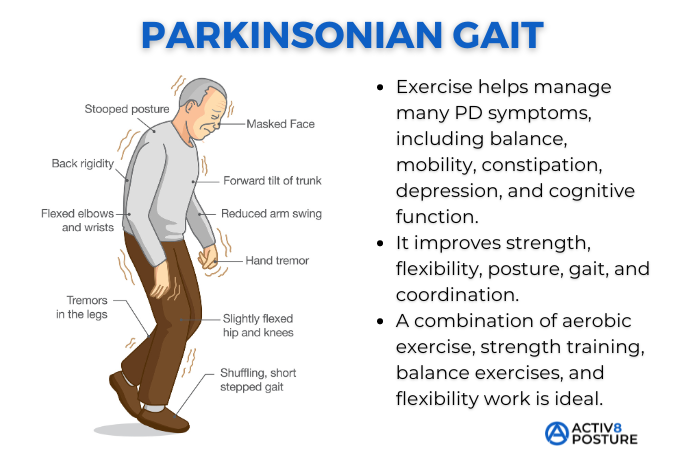
Gait disorders can manifest in various ways, often providing clues about the underlying cause. Here are some common types of abnormal gait:
- Hemiplegic gait: This occurs after a stroke, affecting one side of the body. The affected leg is stiff and often circumducted (swinging outward) during walking.
- Spastic gait (or Scissors gait): Characterized by stiff and rigid muscles, leading to a scissor-like movement of the legs.
- Neuropathic gait: Often seen in conditions like peripheral neuropathy, this gait involves foot drop, causing a slapping sound with each step.
- Myopathic gait: Weakness in the muscles leads to a unstable or waddling gait.
- Parkinsonian gait: Associated with Parkinson’s disease, characterized by small, shuffling steps, reduced arm swing, and a stooped posture.
- Ataxic gait: Involves uncoordinated and unsteady movements, often due to cerebellar dysfunction.
- Antalgic gait: A limping gait caused by pain, typically favoring the unaffected leg.
- Sensory ataxic gait: Loss of sensory information from peripheral nerves, such as from the feet, leads to a high-stepping gait.
It’s important to note that these are just some of the common gait disorders, and many individuals may exhibit a combination of these patterns. Accurate diagnosis is crucial for determining the underlying cause and developing an appropriate treatment plan.
Seeking Help and Diagnosis
If you’re experiencing persistent or worsening unsteady gait, it’s essential to consult a healthcare professional for a proper evaluation.
When to Seek Medical Attention
You should seek medical advice if:
- Your balance or gait problems are sudden or severe.
- You experience frequent falls or near falls.
- You have difficulty performing daily activities due to balance issues or unsteady gait.
- You notice other neurological symptoms, such as numbness, weakness, or vision changes.
- You experience persistent dizziness or vertigo.
- Your walking or balance changes with face drooping, arm or leg weakness, slurred speech, confusion or a sudden severe headache — call 911, as these can be signs of a stroke
- You become unsteady after a fall or a blow to the head
- The unsteadiness started after a new medication or a change in dose
Diagnostic Tests and Evaluations
A healthcare provider will conduct a thorough evaluation to determine the underlying cause of your unsteady gait. This may involve:
- Medical history: Discussing your symptoms, past injuries, medical conditions, and medications.
- Physical examination: Assessing your balance, coordination, reflexes, and muscle strength.
- Gait analysis: Observing your walking pattern to identify abnormalities.
- Neurological tests: Checking for signs of nerve damage or brain dysfunction.
- Imaging studies: X-rays, MRI, or CT scans to rule out structural abnormalities.
- Blood tests: Identifying potential underlying medical conditions.
Early diagnosis and appropriate treatment are crucial for managing unsteady gait and preventing complications.
Improving Balance and Stability
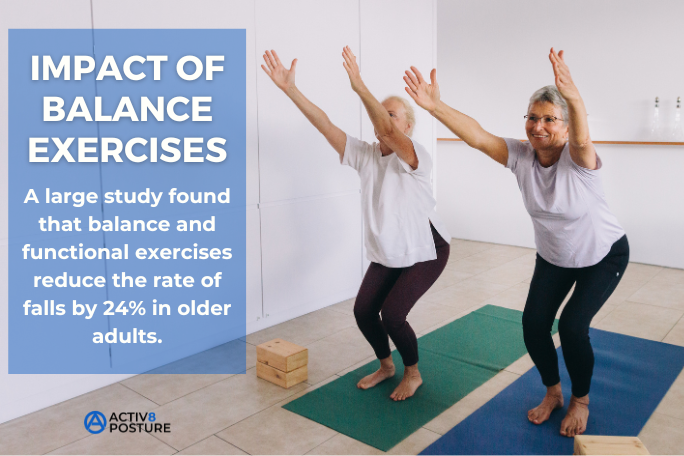
Regaining your confidence and independence often requires targeted strategies to improve balance and stability. Here are some effective approaches:
Exercises and Activities
- Postural Alignment Therapy: Correct muscle imbalances and alignment issues that contribute to balance issues and neuromuscular disorders.
- Balance Exercises: Incorporate activities that challenge your balance, such as standing on one leg, walking heel-to-toe, or practicing tai chi.
- Strength Training: Focus on strengthening core, leg, and upper body muscles to provide a solid foundation for balance.
- Cardiovascular Exercise: Regular aerobic activity improves overall fitness and can positively impact balance.
- Flexibility Training: Stretching tight muscles can help improve range of motion and reduce fall risk.
What Helps, and by How Much
| What helps | What the research shows |
|---|---|
| Balance and functional exercise | Cut the rate of falls by 23% across 116 trials in adults over 60 |
| Balance plus strength work | The most effective combination, with falls down by about 28% |
| Enough of it | Benefits showed up with roughly 1.5–3 hours a week, kept up for three to six months or more |
| Strength at any age | People with an average age of 90 gained 174% in strength in eight weeks |
Home Safety Modifications
Creating a safe environment can help prevent falls and boost confidence:
- Declutter: Remove tripping hazards like loose rugs, cords, or clutter.
- Adequate Lighting: Ensure sufficient lighting throughout your home, especially on stairs and hallways.
- Grab Bars: Install grab bars in the bathroom and near stairs for added support.
- Non-slip Surfaces: Use non-slip mats in the bathroom and kitchen.
Assistive Devices
In some cases, assistive devices can provide additional support and stability:
- Canes:Canes offer balance assistance and reduce fall risk.
- Walkers: For individuals with more significant balance challenges.
- Orthotics: Custom-made shoe inserts can address foot alignment issues that contribute to gait instability.
The Role of Posture Alignment Therapy
At Activ8 Posture, we believe that addressing postural imbalances can significantly improve balance and stability. Our posture alignment therapy focuses on:
- Identifying postural deviations: Assessing how your posture contributes to balance issues and unsteady gait.
- Correcting muscle imbalances: Activating and strengthening weak muscles while releasing and stretching tight ones can help correct gait abnormalities.
- Re-educating movement patterns: Teaching proper body alignment and movement to enhance balance.
- Improving core stability: Enhancing your body’s natural shock absorption system.
By optimizing your posture, we can help reduce the risk of falls and improve your overall quality of life.
In the next section, we’ll discuss preventive measures to maintain balance and stability as you age.
Prevention and Lifestyle Modifications
While there’s no guaranteed way to prevent unsteady gait entirely, adopting healthy lifestyle habits can significantly reduce your risk of developing balance issues. Older adults have more risk factors with age-related issues like muscle atrophy (sarcopenia), making exercise a major factor in maintaining lower extremity strength.
Maintain Overall Health and Fitness
- Regular Exercise: Engage in activities that improve balance, strength, and flexibility, such as walking, dancing, or yoga.
- Strength Training: Focus on exercises that target the legs, core, and upper body.
- Cardiovascular Exercise: Improve heart health and endurance through activities like swimming or cycling.
Nutrition and Hydration
- Balanced Diet: Consume a variety of foods to support overall health and muscle function.
- Stay Hydrated: Proper hydration is essential for maintaining balance and preventing dizziness.
Footwear and Environment
- Supportive Footwear: Choose shoes that provide good support and cushioning while challenging your foot to balance.
- Home Safety: Address potential hazards in your home to reduce fall risk.
- Regular Eye Exams: Ensure optimal vision to aid in balance and spatial awareness.
By incorporating these preventive measures into your daily life, you can enhance your balance and reduce the risk of falls.
Key Takeaways
Unsteady walking has many possible causes, so finding out why is the first step. Sudden unsteadiness with face, arm or speech changes is an emergency: call 911.
For most people, balance and strength training improves steadiness and confidence, alongside treatment of any underlying cause.
FAQ: Unsteady Gait
Why am I unsteady when I walk?
Unsteady gait can be caused by various factors, including age-related changes, underlying medical conditions (like neurological disorders, inner ear problems, orthopedic problems such as stenosis, or other musculoskeletal issues), medications, and lifestyle factors such as lack of exercise or poor posture.
What are the symptoms of unsteady gait?
Common symptoms include loss of balance, difficulty walking, feeling lightheaded or dizzy, and changes in walking patterns like shuffling or staggering.
Why do I feel like I can’t walk properly?
Feeling like you can’t walk properly is often associated with unsteady gait. Several factors can contribute to this, including muscle weakness, balance disorders, and underlying medical conditions. A thorough evaluation by a healthcare professional can help determine the cause.
How do you fix unsteady gait?
It depends on the cause, so the first step is a check-up to find out why. When unsteadiness comes from weakness, stiffness or how you move, balance and strength training are very effective — they cut the rate of falls by 23% across 116 trials in adults over 60. Physical therapy, medication changes, assistive devices and posture work may each play a part, and a combination often works best.
What is unsteady gait a symptom of?
An unsteady gait can be a symptom of various conditions; etiology may include neurological disorders (Parkinson’s disease, stroke, muscular dystrophy), inner ear problems, muscle weakness, postural imbalances, joint pain, and certain medications.
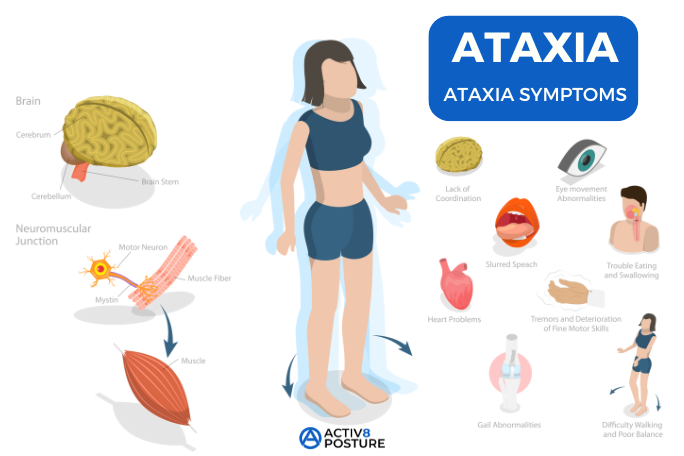
What is ataxia walking?
Ataxia (also cerebellar ataxia) describes poor muscle control, usually resulting from lesions or damage to the part of the brain called the cerebellum or its pathways. The cerebellum controls muscle coordination, which causes clumsy movements. It can affect walking and balance, hand coordination, speech and swallowing, and eye movements.
Ataxia walking (also ataxic gait) refers to a specific gait pattern characterized by uncoordinated and unsteady movements. Due to cerebellar pathway issues, people with ataxia often have difficulty walking smoothly and may appear clumsy or drunk-like. It’s essential to note that ataxia is not a diagnosis itself but a symptom of an underlying condition affecting the nervous system.
What is antalgic gait?
Antalgic gait refers to a walking pattern that develops as a way to avoid pain. People with antalgic gait often limp to minimize weight-bearing on the affected limb. This abnormal gait pattern is common in individuals with injuries, such as a sprained ankle or knee pain.
Sources
- Sherrington C, Fairhall N, Kwok W, et al. Evidence on physical activity and falls prevention for people aged 65+ years. Int J Behav Nutr Phys Act 2020;17:144. doi:10.1186/s12966-020-01041-3
- Fiatarone MA, et al. High-intensity strength training in nonagenarians: effects on skeletal muscle. JAMA, 1990. Ten frail nursing-home residents, mean age 90; nine completed.
Related reading: Prevent Falls With Better Posture.
Where to go next
- Browse Posture & Alignment for more on this topic.
- Read how we correct posture.
- Not sure where to start? A free 30-minute consultation and posture assessment, at one of our clinics or virtually, is the best first step.


