

Post-Exertional Malaise in Long COVID: New Research
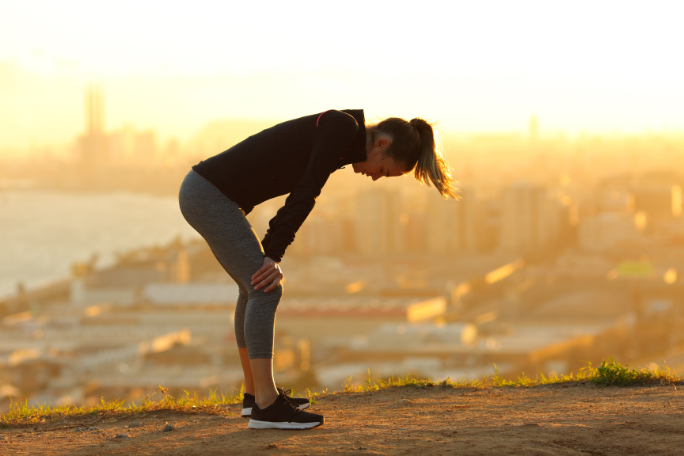
If you’re living with Long COVID, you know the frustration of that crushing fatigue after even a light workout. It’s not just muscle soreness; it’s a debilitating crash that can last for days. This phenomenon, known as post-exertional malaise (PEM), has been a persistent mystery, leaving many feeling like they’re being told to “push through” a problem that’s far beyond their control.
But a recent study published in Nature Communications offers a glimmer of hope, shedding light on the biological basis of PEM and paving the way for more targeted interventions. The research, led by scientists in the Netherlands, reveals a startling picture of what happens inside the muscles of Long COVID patients after exercise.
Quick answer: Post-exertional malaise (PEM) is a worsening of fatigue, pain and other symptoms after physical or mental effort, often a day or two later. It’s common in Long COVID and ME/CFS. A 2024 study found muscle abnormalities that worsened after exertion in people with Long COVID, which helps explain why pushing through can backfire. Pacing comes first. Posture work can help make everyday positions take less effort, always within your limits and alongside your medical care.
Research Shows Muscle Abnormalities Worsen After Post-Exertional Malaise in Long COVID
Key findings from the study based at Vrije and Amsterdam UMC health center:
- Long COVID patients experience significant mitochondrial dysfunction, impacting cellular energy production and leading to post-exertional malaise after physical activity.
- Muscle biopsies reveal damage, necrosis, and immune system infiltration after exercise in long COVID patients compared to healthy controls.
- Microclots, previously linked to vascular problems in long COVID, are elevated in muscle tissue and worsen after exercise.
- No evidence of ongoing viral infection was found in muscle tissue, suggesting viral leftovers don’t directly cause post-exertional malaise.
“We saw this immediately and it’s very profound,” says Dr. Braeden Charlton, one of the study’s authors. The tissue samples from long COVID patients revealed severe muscle damage, a disturbed immune response, and a buildup of microclots.
Post-Exertional Malaise Causes (Long COVID)
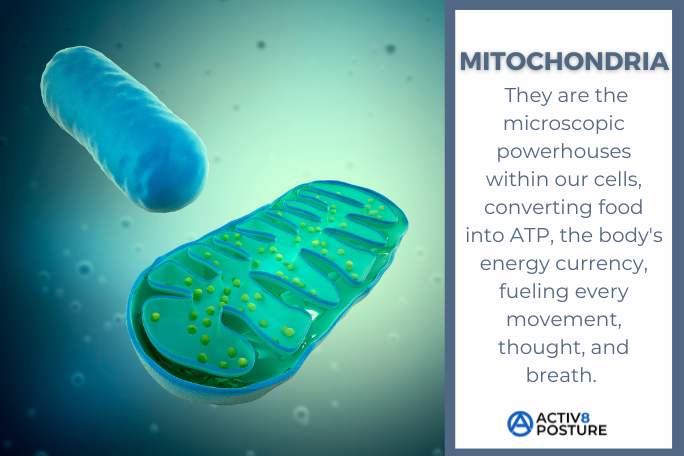
At the heart of the issue lies a malfunction in the cellular power plants, the mitochondria. These tiny engines struggle to produce energy, leaving the muscles starved of fuel and prone to damage. This explains the fatigue, weakness, and pain that plague Long COVID patients after exertion.
“It’s not just a typical response to exercise,” emphasizes Dr. David Putrino, Director of Rehabilitation Innovation for Mount Sinai Health System. “This is a very real disease, and we need to acknowledge the biological basis of PEM.”
This study offers valuable insights into the pathophysiology of post-exertional malaise in long COVID, highlighting distinct features of muscle tissue damage and immune response compared to healthy individuals. However, the study was observational and therefore causal relationships could not be established.
PEM & Living with Long COVID: Exercise Limitations and Options
So, what does this mean for those struggling with PEM? While the traditional “no pain, no gain” approach to exercise may be harmful, the research doesn’t suggest abandoning physical activity altogether. Instead, it calls for a shift in focus, towards a more personalized and cautious approach.
This is where Activ8 Posture looks to help. Our posture alignment therapy offers a unique approach that can help Long COVID patients navigate the complexities of PEM and find their path back to movement. While posture alignment therapy is not a cure for long COVID, it can be a complementary approach to support comfort and day-to-day function.

While the exact exertion levels are not explicitly stated in the study, using terms like “maximal aerobic capacity” and “reaching their physical limit” suggest the exercise was quite vigorous. It’s important to remember that this might not be achievable or recommended for everyone, especially people with long COVID and pre-existing conditions.
Here’s how postural alignment therapy helps the body:
- Reduced Muscle Strain: By improving body alignment and biomechanics, we can minimize muscle strain and fatigue during movement, reducing the risk of triggering PEM.
- Less Effort to Sit and Stand: A posture that is easier to hold can make everyday positions less tiring, which matters when your energy is limited.
- Calmer Breathing: Gentle breathing work can help settle a nervous system that stays on alert.
Remember, every Long COVID case is unique, and there’s no one-size-fits-all solution. Our team of experienced therapists can work with you to develop a personalized plan that addresses your specific needs and limitations. We understand the challenges you face, and we’re here to support you on your journey towards regaining control and reclaiming your body.
Movement With PEM: Less Is More
With post-exertional malaise, the usual advice to push a little harder each week can backfire, because symptoms can flare a day or two after doing too much. If you choose to move, the goal is to stay well within your limits:
- Start far below what you think you can do: a few minutes, or a few repetitions, is enough.
- Stop before symptoms start, not when they arrive.
- Watch the next 12 to 72 hours: if symptoms worsen, scale back next time.
- Rest is part of the plan, not a setback.
- Check with your doctor before starting, especially if you have a racing heart or dizziness when you stand.
Frequently Asked Questions
Are posture alignment exercises safe for everyone with Long COVID and Post-Exertional Malaise?
While the potential benefits of posture alignment therapy are promising, it’s important to approach it cautiously with Long COVID and PEM. Listen to your body and prioritize gentle movement to avoid triggering symptom flares. Always consult a healthcare professional with expertise in Long COVID before starting on any new exercise program. They can help create a personalized plan that respects your individual needs and limitations.
How can posture alignment therapy help combat Long COVID PEM fatigue?
Misalignment can create unnecessary muscle tension and strain, even during simple activities. Posture therapy helps optimize your body’s mechanics, making movement more efficient and reducing fatigue.
Can certain yoga poses or stretches offer relief from post-exertional malaise symptoms?
Gentle, restorative yoga poses and stretches can be helpful for managing PEM. Focus on postures that promote relaxation and deep breathing, like supine poses, gentle forward bends, and seated twists. Avoid practices that involve strenuous exertion or leave you feeling out of breath. Remember, listen to your body and prioritize rest above all else.
Are there any complementary therapies that can work alongside posture therapy for Long COVID?
A multi-faceted approach is often most effective for managing Long COVID. Consider exploring gentle exercise modalities like Activ8’s postural therapy program, tai chi, or yoga, mindfulness practices like meditation, and breathing exercises to further manage fatigue and reduce stress. Working with a therapist specializing in chronic pain or fatigue can also offer valuable support and guidance.
Remember, Long COVID and PEM are complex conditions, and finding what works best for you is a personal journey. Be patient with your body, experiment with different approaches, and always prioritize your own well-being. The combination of posture therapy, other gentle movement, and complementary therapies can be a powerful tool in your journey towards managing PEM and reclaiming your life with Long COVID.
What is Post-Exertional Malaise (PEM)?
Post-exertional malaise (PEM) is a complex and debilitating symptom characterized by a significant worsening of fatigue, cognitive dysfunction, and other symptoms following even minimal physical or mental exertion. This worsening can last for days, weeks, or even months after the activity that triggered it. It is primarily associated with Long COVID and chronic fatigue syndrome (ME/CFS), but can also occur in other conditions like fibromyalgia and Postural Orthostatic Tachycardia Syndrome (POTS).
Post-exertional malaise (PEM) is a complex and debilitating symptom experienced by individuals living with Long COVID and other chronic conditions like myalgic encephalomyelitis/chronic fatigue syndrome (ME/CFS). It’s characterized by a worsening of symptoms following even minimal physical or mental exertion. This worsening can last for days, weeks, or even months after the activity that triggered it.
Here are some key characteristics of PEM:
- Worsening of existing symptoms: This can include fatigue, muscle pain, brain fog, cognitive difficulties, dizziness, headaches, and flu-like symptoms.
- Delayed onset: Symptoms may not appear until 12-48 hours after the activity that triggered them.
- Variable severity: PEM can range from mild discomfort to complete incapacitation, depending on the individual and the level of exertion.
- Unpredictability: It’s difficult to predict what activities will trigger PEM and how severe the symptoms will be.
- Not just deconditioning: PEM is not simply a result of being out of shape. Even individuals with normal levels of fitness can experience severe PEM.
The causes of PEM are still not fully understood, but it’s thought to be related to a combination of factors, including:
- Mitochondrial dysfunction: This means that the cells in the body are not able to produce enough energy.
- Immune system activation: PEM can be triggered by an overactive immune system.
- Central nervous system dysfunction: The brain may play a role in how PEM is perceived and experienced.
Currently, there is no cure for PEM, but there are treatments that can help manage the symptoms. These include:
- Pacing: This involves learning to listen to your body and avoid activities that are likely to trigger PEM.
- Rest: Getting enough sleep and rest is essential for managing PEM.
- Cognitive behavioral therapy (CBT): CBT can help you manage the negative thoughts and emotions that can accompany PEM.
- Postural alignment therapy or physical therapy: Gentle exercise can help to improve your fitness and reduce PEM symptoms.
- Medications: Some medications can help to manage specific symptoms of PEM, such as pain or fatigue.
If you are experiencing PEM, it is important to see a doctor to get a diagnosis and discuss treatment options. With proper management, it is possible to live a fulfilling life with PEM.
Sources
- Appelman B, Charlton BT, Goulding RP, et al. Muscle abnormalities worsen after post-exertional malaise in long COVID. Nat Commun 2024;15:17. doi:10.1038/s41467-023-44432-3
Where to go next
- Browse Pain & Conditions for more on this topic.
- Read how we treat chronic pain.
- Not sure where to start? A free 30-minute consultation and posture assessment, at one of our clinics or virtually, is the best first step.


