


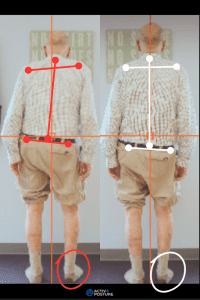

Have you ever caught yourself slouching in your chair, hunched over your phone, or standing with your shoulders slumped? Poor posture is a common problem that can have a significant impact on your physical and mental well-being. From chronic pain to decreased self-esteem, the consequences of poor posture can be far-reaching.
But the good news is, it's never too late to transform your posture. With the right approach, you can improve your alignment, reduce pain, and boost your confidence. In this article, we'll explore the benefits of posture transformation, the common causes of poor posture, and practical tips for improving your posture.
Are you ready to unlock your body's full potential and experience the transformative power of good posture? Let's dive in!What is Poor Posture?
Poor posture is a misalignment of the spine, neck, shoulders, and other body parts that can lead to a variety of problems. It's like your body is standing at attention but in the wrong position. Imagine your spine as a stack of blocks that should be perfectly aligned. When you have poor posture, these blocks are stacked unevenly, causing strain and discomfort.
Think of it this way: Your body is designed to function optimally when your spine is in a neutral position. When you slouch, hunch, or lean forward, you're putting undue stress on your muscles, joints, and ligaments. This can lead to a cascade of problems, from chronic pain to decreased mobility.
In essence, poor posture is a misalignment that can have significant consequences. It's not just about how you look; it's about how your body feels and functions every day.

Problematic postures show up in various ways, including:
Symptoms of Poor Posture
Poor posture can lead to a variety of limitations and chronic pain symptoms. Here are some of the most common pain points associated with poor posture:
If left unaddressed, poor posture can have long-term consequences, including:
It's important to recognize the symptoms of poor posture and take steps to address the underlying issues to improve your overall health and well-being.
Ready to Transform Your Posture?
Take the first step towards your posture transformation today! Start your journey toward better posture and living pain-free by scheduling a Free Consultation & Posture Assessment with our expert therapists at Activ8 Posture today!
The Root Causes of Poor Posture
Poor posture is often a result of a complex interplay of factors that affect your entire body. Understanding the interconnectedness of these factors is essential for addressing the root causes and achieving lasting improvements.
Your body should work as a finely tuned machine. Each part plays a crucial role in supporting the whole. When one part is out of alignment, it can affect the entire system. And while you don’t need “perfect posture,” something as simple as a misaligned pelvis leads to imbalances in the spine, hips, and legs. Similarly, weak glutes or core muscles contribute to poor posture by allowing the spine to sag.
These interconnected factors create a vicious cycle of postural imbalances, often resulting in pain and dysfunction. The more your posture deteriorates, the more difficult it becomes to maintain proper alignment, which puts stress on muscles, joints, and ligaments. This leads to a cascade of problems, including chronic pain, decreased mobility, and reduced quality of life.
By addressing the root causes of poor posture, you can break free from this cycle and restore proper alignment. This involves identifying and correcting muscle imbalances, improving core strength, and addressing any other underlying factors contributing to poor posture.

Posture issues are often complex issues with multiple contributing factors. Here are some of the primary causes:
Muscle Imbalances:
- Right-left asymmetry: Imbalances between the right and left sides of the body overload one side while weakening the other, contributing to poor posture in the whole body.
- Spine flexion: A weak core and back muscles make it difficult to maintain proper spinal alignment.
- Tight chest muscles: Tight chest muscles can pull the shoulders forward, contributing to a hunched posture.
Lifestyle Factors:
- Sedentary lifestyle: Spending long periods of time sitting can lead to muscle weakness and poor posture.
- Poor ergonomics: Working at a desk that is not properly adjusted or using improper equipment can contribute to poor posture.
- Stress: Chronic stress can lead to muscle tension and poor posture.
Past Injuries:
- Injuries to the spine, shoulders, or other body parts can affect your posture and lead to compensatory movements.
- Whether you did rehab or not, often, the reintegration of the whole body is where most physical therapy and post-surgery programs fall short.
The Mind-Body Connection: A Two-Way Street
Our thoughts and emotions can significantly influence our physical posture and vice versa. This mind-body connection is a powerful force that can contribute to both good and bad posture.
- Slouching and Stress: We may unconsciously adopt a slouched or hunched posture when anxious or stressed. This can lead to muscle tension, fatigue, and further discomfort.
- Confidence and Upright Posture: Maintaining an upright posture can boost our confidence and improve our mood. A confident stance can project a positive image and empower us.
- Depression and Posture: Depression can lead to decreased physical activity and a more sedentary lifestyle, which can contribute to poor posture. Additionally, poor posture and lack of exercise can exacerbate feelings of depression and low self-esteem.
It's important to recognize the interconnectedness of the mind and body when addressing postural issues. You can achieve a more holistic and sustainable transformation by addressing both the physical and psychological factors.
Is It Possible to Correct Years of Bad Posture?
Yes! It is possible to correct years of bad posture! No matter your age, it’s definitely possible to improve your posture, even if you've had poor posture for many years. It's important to understand, however, that correcting years of bad posture is a process that can take time and effort. At the same time, with the right approach and guidance, you are likely see significant changes quickly (as many of our clients do). Over time, with continued application of the proper exercises, you will achieve even more significant improvements in your posture.

The first step in correcting bad posture is identifying and understanding the root cause. This can be associated with lifestyle activities like sitting at a desk all day, carrying a heavy backpack, or having weak core muscles from not moving enough. But, more specifically, we’ll find where the root causes of your posture imbalances are by doing a full-body screen and functional movement tests. This helps you to find where your posture dysfunctions are coming from and where we can apply targeted focus to get results faster than a generalized approach. Once you understand the cause, you can take the necessary steps to address it.
One of the most effective ways to correct bad posture is posture therapy. At Activ8 Posture, for example, a posture therapist can provide you with exercises and techniques that are tailored to your body’s specific needs. They can also help you to identify and correct any issues you may have, such as chronic pain, limited mobility, or recurring injuries. If, for example, your poor posture is caused by an imbalance in your deep hip flexors (or psoas muscles), a posture therapist can provide you with exercises that focus on re-engaging, strengthening, and integrating the hip muscles to support your back.
Can I Really Change My Posture?
At Activ8 Posture, we believe in a whole-body approach to posture transformation. Our experienced therapists conduct a comprehensive assessment to evaluate your entire body's alignment and identify the underlying causes of your postural problems.
Our personalized treatment plans are tailored to your specific needs and goals. We consider your individual lifestyle, activity level, and health history to develop a customized approach that will help you achieve optimal results.

Our effective techniques include:
Our approach has helped countless individuals transform their posture and improve their quality of life. Here's what our clients have to say:
Common Patterns of Postural Dysfunction

Kyphosis Posture
Characterized by a flexed upper back and rounded shoulders, this posture becomes a combo package with a forward head posture. This posture pattern is also called upper cross syndrome.

Sway Back Posture
Characterized by an excessive arch in the lower back and a bottom that sticks out, this posture is also called lower cross syndrome. Tight hip flexors (not necessarily strong) are normally a big part of this, along with weak glutes and weak abs.

Trunk & Pelvic Rotation
This asymmetrical posture is characterized by one side of the trunk and pelvis rotating forward (not necessarily the same side for both). Many times, one foot will be in front of the other when standing naturally.

Posterior Pelvic Tilt with Flat Back
A posterior pelvic tilt with flat back posture is characterized by the tucking under the hips. If anterior pelvic tilt makes it look like someone has a full bottom, posterior tilt makes the butt look flat. And since the low back is flat, the line from back to the bottom is often a straight vertical line.

Lateral Offset of the Trunk
Lateral offsets are characterized by the lack of symmetry. Instead of using rotation to compensate for balance, the upper body shifts to the right or left side. If you look at someone from the front view, it’s apparent because their shoulders and thoracic spine are not centered over their pelvis, legs, and feet.
Discover the Activ8 Approach to Posture Transformation
At Activ8 Posture, we employ a comprehensive approach that guides your individual posture transformation by getting to the root cause of issues.
Unlike traditional techniques, Activ8's posture therapy adopts a whole-body, all-encompassing outlook. As your guide, your posture therapist provides personalized attention to proper alignment and movement coaching, ensuring continual progress.
Our proprietary posture therapy techniques are designed to:
Posture Transformation Exercises for Common Patterns of Dysfunction
Now that you have a better understanding of posture and the causes of poor posture, it's time to start working on your posture transformation. It’s easy to get lost with so many types of exercise available online, and the quickest road to improve your posture is knowing where to begin.
As described above, understanding the root cause behind poor posture makes it easier to fast-track your journey to overcome pain, transform your posture, and gain the benefits of good posture.
The following are beginner, bodyweight posture exercises designed to realign your body and build muscle in specific areas.
A quick disclaimer: Check with your doctor or health professional before trying any new exercise program, especially if you have an existing medical condition. If you feel pain during any of these posture exercises, stop immediately.
Exercises for Kyphosis (Upper Back Rounding)
#1 - Airbench Pull-overs


Instructions:
- Sit against the wall with your knees bent approximately 90 degrees with your lower back pressed flat.
- Make a fist with your hands and extend your elbows fully.
- Raise and lower your arms while keeping your elbows straight and back flat.
- Do two sets of 10-15 reps.
#2 - Counter Stretch


Instructions:
- Stand facing a wall with your hands chest height and walk your feet back under your hips.
- Keep your arms straight, hinge from your hips, and flatten your back while extending your knees and elongating your hamstrings.
- Relax your stomach and breathe diaphragmatically.
- Keep your feet pointing straight ahead and parallel.
- Hold for 30 to 60 seconds
Exercises for Trunk Rotation & Pelvic Rotation
#1 - Static Extension Position

Instructions:
- Start on all fours (hands and knees) and walk your hands 5-6 inches forward.
- Keep your arms straight, and hinge your hips while allowing your back to extend.
- Keep your shoulders vertical to your wrists; allow your shoulder blades to collapse together and your head to drop down.
- Relax your stomach and breathe diaphragmatically.
- Hold for 60 to 90 seconds.
#2 - Sitting Chair Twist

Instructions:
- Sit on the front half of a chair or bench and roll your hips forward to extend your lower back.
- Keeping your weight even between both hips and lower back extended, reach one arm behind you on the back of the seat or over the back of the chair.
- Cross your other hand over the opposite knee and look over your shoulder.
- Keep your spine vertical and use the arm and shoulder behind you to gently pull your trunk into rotation.
- Hold for 30 to 60 seconds, then repeat on the other side.
Exercises for Lateral Offset Trunk Posture
#1 - Unilateral Chest Openers


Instructions:
- Stand perpendicular to a wall at arm’s length.
- Place the hand closest to the wall at shoulder height on the wall with fingers spread open.
- Keeping your feet pointing straight ahead and your body at 90 degrees to the wall, rotate your arm (keeping the hand planted on the wall) forward from the shoulder joint.
- When you reach a comfortable end range of motion, reverse the rotation in the arm backward from the shoulder to a comfortable end range.
- Do two sets of 20 repetitions, rotating arms for each set.
#2 - Abductor Presses in Doorway

Instructions:
- Stand in a door frame with the outside of your foot and outer hip snug to the wall.
- Keep your body squared perpendicular to the wall with one arm behind the wall.
- Keeping your lateral hip against the wall, press the outside of the same foot into the wall and then release.
- Keep your feet pointing straight ahead and your body at 90 degrees to the wall.
- Do two sets of 20 repetitions, alternate legs for each set.
Exercises for Sway Back Posture
#1 - Airbench

Instructions:
- Sit against the wall with your knees bent approximately 90 degrees with your lower back pressed flat.
- Dig your weight into your heels with your feet straight.
- Relax your upper body.
- Hold for 1- to 2-minutes.
#2 - Frog Pose

Instructions:
- Lie on your back with your feet pulled under your knees.
- Bring your feet together and slowly lower your knees to the sides, allowing your hips to open.
- Relax your body and breathe diaphragmatically.
- Hold for 1 to 2 minutes.
#3 - Pelvic Tilts


Instructions:
- Lie on your back with your knees bent and feet flat on the floor.
- Keeping your upper body relaxed, slowly roll your pelvis under so that your back flats. Breathe out as you flatten your lower back.
- After you exhale and flatten, slowly roll your hips toward your feet to create an arch in your lower back. Breathe in as your back arches.
- Reverse directions again. Each back-and-forth motion is one repetition.
- Do two sets of 10 repetitions.
Exercises for Posterior Tilt & Flat Back Posture
#1 - Sitting Scapular Contractions


Instructions:
- Sit on the front half of a chair or bench and roll your hips forward to extend your lower back.
- Keeping your weight even between both hips and lower back extended, squeeze your shoulder blades together behind your chest.
- Keep your shoulder blades down and back as you squeeze and not up into your traps or neck.
- Keep your spine vertical as you squeeze your shoulder blades together and then release.
- Do two sets of 20 repetitions.
#2 - Sitting Cross-Crawling


Instructions:
- Sit on the front half of a chair or bench and roll your hips forward to extend your lower back.
- Keeping your weight even between both hips and lower back extended, lift one leg from the hip while raising the opposite arm towards the ceiling.
- Lower the raised arm and leg while simultaneously lifting the opposite leg and arm.
- Try to initiate the motion at your hip simultaneously as your arm versus your arm leading the way. Also, be sure you're using the opposite arm and leg and not the same side as you do this.
- Do two sets of 20 repetitions
Conclusion
Transforming your posture is a journey that can have a profound impact on your overall well-being. By addressing the underlying causes of poor posture and adopting healthy habits, you can:
Are you ready to take the first step towards a healthier, more confident you? Schedule a free consultation with Activ8 Posture today and discover how our personalized approach can help you transform your posture and improve your quality of life.
change is possible
Are You Ready for Your Posture Transformation?
Tired of struggling with poor posture? Take the first step towards a healthier, more confident you by scheduling a free posture assessment
Frequently Asked Questions
Can I really change my posture?
Absolutely, changing your posture is entirely possible, irrespective of age or physical condition. With patience, commitment, and the right techniques (such as those provided by Activ8 Posture therapy), you can make noticeable improvements to your posture.
Can you correct years of bad posture?
Yes, you can correct years of bad posture. It's a common misconception that longstanding poor posture is irreversible. Our body is adaptive and can respond to changes at any stage in life. With consistent posture correction exercises and possibly guidance from our posture therapists, you can gradually undo the effects of long-term poor posture.
How long does it take to change posture?
Most of our clients at Activ8 Posture feel a difference in the first session! This being said, the timeframe for posture transformation varies from person to person. Factors include your current posture, the severity of any misalignment, your physical condition, and consistency in doing posture correction exercises. It's essential to remember that improving posture is more of a marathon than a sprint - but with regular practice, most people will notice more significant and long-lasting improvements within a few weeks to a few months.
How can I fix my posture in 1 month?
Our 8-Week IMPACT Program is designed to not only help you fix your posture, but keep the changes through habit formation. Fixing posture in a month requires a dedicated plan and regular practice of posture correction exercises. These exercises, often provided as part of programs like Activ8 Posture, help strengthen postural muscles and improve flexibility. However, bear in mind that while you may see improvements within a month, achieving the best results often requires a longer commitment.
How can I fix my posture permanently?
Permanent posture correction involves two key aspects: creating a new habit and making lifestyle changes. By consistently practicing the right exercises, like those offered by Activ8 Posture, you can retrain your muscles and nervous system to maintain good posture. Equally crucial are lifestyle changes, such as ergonomic adjustments to your workspace or consciously maintaining good posture during daily activities. Regular consultation with a posture therapist can help guide you towards permanent posture improvement.
What is a Posture Transformation?
Simply put, it is the process of changing and improving your posture through the specific use of techniques and posture correction exercises. An increasing number of people today recognize the adverse effects of poor posture on health. Indeed, more people are learning that certain postures, such as anterior pelvic tilt, kyphosis, forward head posture, and slouching can be the cause behind many issues like back pain, headaches, and even depression.
Good posture, on the other hand, is shown to be effective in helping you look and feel better, increasing confidence, and boosting energy levels. Indeed, the benefits of good posture are numerous. And what’s the key to better posture? Good underlying musculoskeletal function, which is why posture exercises that align and then strengthen the body are critical for true, lasting posture transformation.
In this article, we'll dive into the world of posture transformation, discussing good and bad postures, the causes of poor posture, and the techniques and exercises you can use to improve your posture. Whether you're struggling with chronic pain or aches from years of poor posture, or you're simply looking to improve your posture to feel and look better, you'll be better equipped with the knowledge and tools you need to start your posture transformation journey.


