

Heal Your Aching Back by Dr. Jeffery Katz: Book Review
Some links below are affiliate links. As an Amazon Associate, Activ8 Posture earns from qualifying purchases, at no extra cost to you. See our affiliate disclosure.
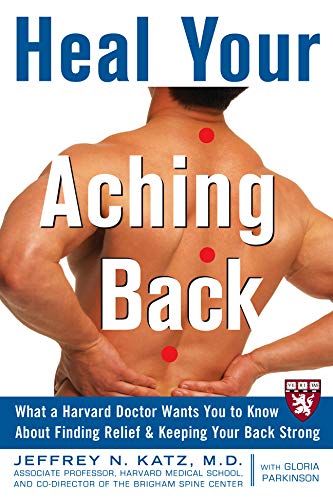
When Harvard meets holistic health: What happens when traditional medical wisdom aligns with whole-body wellness? This question sits at the heart of our review of Dr. Jeffery Katz’s comprehensive guide to back pain relief and prevention.
As posture specialists who work with clients dealing with chronic back pain daily, we approached Heal Your Aching Back with both professional curiosity and critical analysis. Dr. Katz’s Harvard-backed medical perspective offers valuable insights that complement our holistic, whole-body approach to back health, though there are fascinating areas where our methodologies expand beyond traditional medical boundaries.
In this review, we’ll explore what Dr. Katz gets right about back pain treatment, where his evidence-based medical approach aligns with our postural correction philosophy, and how our holistic perspective builds upon his foundation to address root causes rather than just symptoms. Whether you’re researching back pain solutions, comparing treatment approaches, or seeking to understand how medical and holistic care can work together, this analysis will provide you with the insights you need to make informed decisions about your back health journey.
Our goal isn’t to critique but to illuminate – showing you how the best of traditional medical wisdom can integrate with comprehensive postural care to create truly transformative results for chronic back pain sufferers.
About the Book: Harvard’s Take on Back Pain
Dr. Jeffery Katz: Credentials That Matter
Dr. Jeffery Katz brings impressive credentials to the back pain conversation. As a professor at Harvard Medical School and attending physician in the Department of Medicine at Brigham and Women’s Hospital, his perspective is grounded in decades of clinical experience and academic research. His specialization in musculoskeletal disorders and health services research provides him with both the clinical insight to understand individual patient needs and the epidemiological knowledge to see broader patterns in back pain treatment and outcomes.
What makes Dr. Katz’s approach particularly valuable is his commitment to evidence-based medicine combined with practical clinical wisdom. Rather than promoting the latest treatment fad or a single therapeutic approach, he focuses on what research actually shows works for the majority of back pain sufferers. This scientific rigor forms a solid foundation for anyone seeking reliable information about back pain treatment.
The Book’s Core Promise
Heal Your Aching Back promises to cut through the confusion surrounding back pain treatment by providing clear, research-backed guidance on finding relief and building back strength. Dr. Katz addresses the frustration many people feel when dealing with conflicting advice from different healthcare providers, offering a systematic approach to understanding and managing back pain.
The book’s structure reflects Dr. Katz’s medical training, moving logically from understanding back pain mechanisms to evaluation strategies, treatment options, and prevention approaches. He emphasizes that most back pain episodes resolve on their own, but provides readers with tools to accelerate healing and prevent recurrence.
Target Audience and Approach
Dr. Katz writes primarily for the educated patient – someone dealing with back pain who wants to understand their condition and make informed decisions about treatment. His approach assumes readers are willing to take an active role in their recovery and are interested in understanding the “why” behind treatment recommendations, not just following instructions blindly.
The medical model he presents is refreshingly balanced, acknowledging both the power and limitations of modern back pain treatment. He doesn’t promise miracle cures but instead offers realistic expectations and practical strategies that align with current evidence-based medicine principles.

Key Insights We Applaud
Evidence-Based Decision Making
One of Dr. Katz’s greatest strengths is his commitment to evidence-based treatment decisions. Throughout Heal Your Aching Back, he consistently references research studies and clinical trials to support his recommendations, a practice we wholeheartedly embrace at Activ8 Posture. His systematic approach to evaluating treatment effectiveness mirrors our own commitment to using methods that have proven results rather than following trends or unsubstantiated claims.
Dr. Katz’s discussion of imaging studies particularly resonates with our approach. He clearly explains when MRIs and X-rays are helpful versus when they may lead to unnecessary interventions – a distinction that many back pain sufferers need to understand. This aligns perfectly with our philosophy of thorough assessment before treatment, though our assessment methods extend beyond static imaging to include comprehensive postural and movement analysis.
The Importance of Movement and Exercise
We strongly agree with Dr. Katz’s emphasis on movement and exercise as cornerstone treatments for back pain. His explanation of how bed rest – once considered the gold standard for back pain treatment – can actually delay recovery echoes our daily conversations with clients who arrive at our clinic expecting to be told to avoid activity.
The book’s focus on graduated exercise programs and the importance of staying active during back pain episodes aligns closely with our movement-based approach to postural correction. Dr. Katz understands that the body heals through appropriate movement, not through immobilization – a principle that underlies all our corrective exercise programs.
Debunking Common Back Pain Myths
Dr. Katz does excellent work dispelling widespread misconceptions about back pain causes and treatments. His evidence-based debunking of myths like “back pain always indicates serious structural damage” or “surgery is the only solution for chronic pain” provides readers with a more accurate and hopeful perspective on back pain recovery.
This myth-busting approach resonates strongly with our experience. We regularly work with clients who arrive believing their backs are “broken” or “too old,” when in reality their pain stems from correctable postural imbalances and movement patterns. Dr. Katz’s realistic but optimistic perspective helps readers understand that most back pain, while uncomfortable, is not dangerous and can be successfully managed.
Patient Education and Empowerment
Perhaps most importantly, Dr. Katz empowers readers by providing them with knowledge and tools to understand and manage their condition. His belief that educated patients make better decisions about their care mirrors our philosophy at Activ8 Posture, where we invest significant time in helping clients understand not just what exercises to do, but why those exercises will help their specific situation.
The book’s educational approach helps readers become partners in their recovery rather than passive recipients of treatment. This empowerment is crucial for long-term success, whether someone chooses medical treatment, postural correction, or a combination of approaches.
Where Traditional Medicine Meets Holistic Health
The Symptom vs. Root Cause Approach
Dr. Katz’s medical training naturally leads him to focus on symptom relief and functional improvement – goals that are important and valuable for people suffering from back pain. His systematic approach to pain management, from conservative treatments through more aggressive interventions, provides a clear pathway for medical care that has helped countless patients find relief.
However, our holistic approach at Activ8 Posture begins with a different question: “Why did this person develop back pain in the first place?” While Dr. Katz addresses some contributing factors, our comprehensive postural assessment digs deeper into the biomechanical and lifestyle factors that created the conditions for pain to develop.
This isn’t a criticism of the medical model – symptom relief is crucial, especially for people in acute pain. Instead, it illustrates how medical and holistic approaches can complement each other. Medical intervention can provide the pain relief needed for someone to participate effectively in postural correction, while postural correction addresses the underlying imbalances that may have contributed to the problem initially.
Individual Assessment vs. Standardized Treatment
Dr. Katz advocates for individualized treatment approaches within the medical model, recognizing that different patients respond to various interventions. His systematic approach to trying conservative treatments before progressing to more aggressive options reflects good medical practice and patient safety.
Our postural assessment process extends this individualization even further. While Dr. Katz might determine that a patient needs physical therapy, we would assess exactly which muscle imbalances, postural deviations, and movement compensations are present in that specific individual. This allows us to create highly targeted corrective programs that address each person’s unique postural fingerprint.
For example, two people might both present with lower back pain and receive similar medical diagnoses, but our assessment might reveal that one person’s pain stems from anterior pelvic tilt with tight hip flexors, while the other’s comes from lateral pelvic tilt with unilateral muscle weakness. These different root causes require different corrective approaches, even though the symptom presentation might be similar.
Short-term Relief vs. Long-term Prevention
The medical model that Dr. Katz represents excels at providing relatively quick symptom relief through medications, injections, and other interventions. This short-term relief is valuable and often necessary for people whose pain significantly impacts their daily function and quality of life.
Our holistic approach focuses more heavily on long-term prevention through postural optimization and lifestyle modification. While our approach may take dedication to show dramatic results, it aims to create lasting changes that reduce the likelihood of recurrence and improve overall body function beyond just eliminating current symptoms.
The ideal scenario combines both approaches: medical intervention provides the pain relief needed to participate fully in corrective programs, while postural correction creates the lasting changes necessary to prevent future episodes. This collaborative model serves clients better than either approach alone.

Our Holistic Perspective: Beyond the Medical Model
The Postural Foundation Dr. Katz Touches On
While Dr. Katz briefly mentions posture as a factor in back pain, our experience shows that muscle imbalances are often the primary driver of chronic and recurring back problems. Heal Your Aching Back touches on ergonomics and workplace modifications, but it doesn’t delve deeply into how comprehensive postural assessment can reveal the specific imbalances contributing to an individual’s pain.
Our postural analysis goes far beyond simply asking someone to “sit up straight” or “stand tall.” We evaluate the three-dimensional position of the pelvis, the curves of the spine, the relationship between different body segments from head to toe, and how these static positions translate into movement patterns during daily activities. This comprehensive assessment often reveals why someone’s back pain persists despite following standard medical advice.
For instance, someone with an anterior pelvic tilt might continue experiencing lower back pain even after completing traditional physical therapy because their exercises didn’t address the fundamental pelvic position that creates excessive lumbar lordosis. Our approach identifies these specific postural deviations and provides targeted corrections that address the root biomechanical cause.
Whole-Body Biomechanics: The Missing Piece
Dr. Katz’s medical perspective naturally focuses on the spine and immediately surrounding structures, but back pain rarely exists in isolation. Our whole-body approach recognizes that the foot position affects knee alignment, which influences hip position, which impacts pelvic tilt, which determines spinal curves – all of which can contribute to back pain.
This biomechanical chain reaction means that someone’s chronic lower back pain might actually stem from ankle restrictions that occurred after an old injury, creating compensations that work their way up the body over time. Traditional medical assessment might miss these distant contributing factors because they fall outside the typical scope of back pain evaluation.
Our comprehensive movement analysis evaluates how forces travel through the entire body during functional activities like walking, squatting, and lifting. This broader perspective often identifies contributing factors that explain why some people’s back pain becomes chronic while others recover quickly from similar injuries.
Lifestyle Integration: More Than Exercise Prescription
While Dr. Katz discusses the importance of exercise and activity modification, our holistic approach extends deeper into lifestyle factors that affect postural health. We evaluate workspace ergonomics, sleep positions, driving posture, exercise habits, and even psychological stress patterns that can contribute to postural tension.
For example, we might discover that someone’s back pain correlates with work stress levels, which cause them to unconsciously tighten their shoulders and shift their posture throughout the day. Or we might find that their home office setup forces them into postural compensations that gradually create the muscle imbalances contributing to their pain.
This comprehensive lifestyle assessment allows us to address contributing factors that medical treatment might not consider, creating a more complete picture of why someone developed back pain and what needs to change for lasting improvement.
Prevention Through Postural Optimization
Perhaps the biggest difference between Dr. Katz’s medical approach and our holistic methodology is our emphasis on optimization rather than just problem-solving. While medical treatment focuses on returning someone to their previous level of function, our goal is to improve their posture and movement quality beyond where they were before developing pain.
This optimization approach recognizes that many people develop back pain because their “normal” posture and movement patterns were suboptimal to begin with. Simply returning to their previous state leaves them vulnerable to future episodes. By improving their postural foundation, we aim to create resilience that protects against future problems while also enhancing overall function and performance.

What the Book Gets Right About Back Pain
Realistic Expectations for Recovery
One of Dr. Katz’s most valuable contributions is setting realistic expectations for back pain recovery. He clearly explains that healing takes time, that setbacks are normal, and that the path to improvement is rarely linear. This honest approach helps readers avoid the disappointment and frustration that often accompany unrealistic expectations about quick fixes.
His timeline discussions align closely with our experience in postural correction. While some clients experience significant improvement within days or weeks, others require months of consistent work to achieve lasting changes, especially if they’re addressing long-standing postural imbalances. Dr. Katz’s emphasis on patience and persistence resonates with our approach to sustainable postural health.
The book’s realistic perspective on treatment outcomes also helps readers make informed decisions about their care. By understanding that no treatment works for everyone and that some approaches work better for certain types of back pain, readers can approach their recovery with appropriate expectations and flexibility.
The Role of Psychological Factors
Dr. Katz appropriately acknowledges the psychological components of chronic pain without dismissing the reality of physical symptoms. His discussion of how fear, anxiety, and depression can perpetuate back pain cycles reflects current understanding of pain science and aligns with our holistic approach to client care.
We regularly see how psychological stress contributes to postural tension and pain patterns. Clients who are anxious or depressed often hold their bodies differently, creating muscle tension and postural compensations that can contribute to back pain. Dr. Katz’s recognition of these mind-body connections validates the importance of addressing psychological factors alongside physical treatment.
This integrated perspective helps reduce the stigma that some people feel when psychological factors are identified as contributors to their pain. Understanding that the mind and body work together in both creating and resolving pain helps people approach their recovery more holistically.
When to Seek Professional Help
Dr. Katz provides clear guidelines about when back pain requires immediate medical attention versus when it’s appropriate to try self-care measures first. His red flag symptoms list – including severe neurological symptoms, progressive weakness, and signs of serious underlying conditions – provides valuable safety information for readers trying to decide whether their back pain needs urgent medical care.
This guidance aligns with our screening process at Activ8 Posture, where we always assess whether someone’s symptoms require medical evaluation before beginning postural correction programs. We appreciate Dr. Katz’s emphasis on safety first, as it reflects the responsible approach that any healthcare provider should take with back pain.
His discussion of when to consider various medical interventions also provides readers with a framework for making informed decisions about their care. Understanding the appropriate progression from conservative to more aggressive treatments helps people advocate for themselves and make decisions aligned with their values and goals.

Where We Expand Beyond Traditional Boundaries
The Postural Assessment Gap
While Dr. Katz mentions posture as a contributing factor to back pain, traditional medical assessment typically lacks the detailed postural analysis that can identify specific correctable imbalances. Medical examinations focus on identifying pathology and dysfunction, but they don’t usually include a comprehensive evaluation of postural alignment and its relationship to symptoms.
Our detailed postural assessment evaluates the position of the pelvis, spinal curves, shoulder alignment, head position, and the relationships between these segments. We also assess how these static positions change during movement and how they’re affected by different activities and environments.
This comprehensive evaluation often reveals correctable factors that medical assessment might miss. For example, we might identify that someone’s back pain correlates with specific postural positions at work, sleep, or during certain movements, information that can lead to targeted interventions that complement medical treatment.
Comprehensive Movement Analysis
Traditional medical examination typically includes basic movement tests to assess range of motion and pain responses, but it rarely includes a detailed analysis of movement quality and compensation patterns. Our movement assessment goes deeper, evaluating how someone walks, sits, stands, lifts, and performs other functional activities.
This analysis often reveals movement compensations that contribute to back pain but aren’t apparent during static examination. Someone might demonstrate normal range of motion during medical testing but show significant movement asymmetries during functional activities that create repetitive stress on spinal structures.
By identifying these movement patterns, we can address contributing factors that might not be apparent through traditional medical evaluation. This expanded assessment provides a more complete picture of why someone’s back pain developed and what needs to change for lasting improvement.
Workplace and Lifestyle Factors
While Dr. Katz discusses ergonomics and activity modification, our assessment extends deeper into the lifestyle factors that affect postural health throughout the day. We evaluate workspace setup, commuting posture, recreational activities, exercise habits, sleep positions, and stress management patterns.
This comprehensive lifestyle assessment often identifies multiple contributing factors that work together to create the conditions for back pain. Someone might have adequate workspace ergonomics but poor sleep posture, or good exercise habits but high stress levels that create postural tension.
By addressing the full spectrum of lifestyle factors, we can create more comprehensive improvement plans that support postural health in all aspects of someone’s life, not just during specific exercises or treatments.
Prevention-First Philosophy
Perhaps the most significant difference between medical and holistic approaches is our emphasis on prevention through postural optimization. While medical treatment focuses on addressing current problems, our goal is to create postural resilience that prevents future issues while also resolving current symptoms.
This prevention-first approach recognizes that many people who develop back pain have suboptimal posture and movement patterns that make them vulnerable to injury or pain. By improving these foundational patterns, we can often prevent future episodes while also addressing current symptoms.
Our comprehensive approach aims to leave people better than they were before developing pain, with improved posture, better movement quality, and greater awareness of how their daily habits affect their spinal health.
Integrating Medical Wisdom with Holistic Health
When Medical Intervention is Essential
We deeply respect the medical model’s strengths and recognize when medical intervention is not just helpful but essential. Dr. Katz’s systematic approach to identifying serious underlying conditions and his clear guidelines for when more aggressive treatments are appropriate reflect the life-saving potential of modern medicine.
For clients with severe pain that prevents them from participating in corrective exercises, medical intervention provides the pain relief needed to engage effectively in postural correction. Similarly, people with neurological symptoms or progressive weakness need medical evaluation and treatment that our postural approach cannot provide.
We view medical intervention and postural correction as complementary rather than competing approaches. The best outcomes often occur when medical treatment provides symptom relief while postural correction addresses underlying contributing factors.
The Power of Collaborative Care
Our most successful client outcomes often involve collaboration between medical providers and our postural correction approach. When healthcare providers understand and support our methods, clients receive comprehensive care that addresses both immediate symptoms and long-term prevention.
This collaborative model allows each provider to focus on their areas of expertise while ensuring that clients receive well-coordinated care. Medical providers can focus on pain relief and ruling out serious pathology, while we focus on identifying and correcting the postural imbalances that may have contributed to the problem.
Clear communication between providers ensures that treatments complement rather than conflict with each other, maximizing the benefit clients receive from each approach.
Building on Dr. Katz’s Foundation
Rather than contradicting Dr. Katz’s medical approach, our holistic methodology builds upon his foundation by extending the assessment and treatment process into areas that complement medical care. His emphasis on patient education, realistic expectations, and evidence-based treatment creates an excellent foundation for the comprehensive postural work we provide.
Clients who understand their condition through Dr. Katz’s educational approach are often better prepared to engage actively in postural correction programs. His realistic expectations about recovery timelines align well with the patience and consistency required for lasting postural improvement.
The integration of medical wisdom with holistic health creates opportunities for more comprehensive and effective back pain treatment than either approach could provide alone.
Our Professional Assessment
Strengths of the Book
Heal Your Aching Back excels in several key areas that make it valuable for anyone dealing with back pain. Dr. Katz’s evidence-based approach provides readers with reliable information in a field often dominated by conflicting claims and unsubstantiated treatments. His medical credentials lend authority to his recommendations, while his clear writing style makes complex medical concepts accessible to general readers.
The book’s systematic approach to evaluation and treatment provides readers with a logical framework for understanding their options and making informed decisions about their care. Dr. Katz’s emphasis on conservative treatment before more aggressive interventions reflects both good medical practice and practical wisdom about back pain management.
Perhaps most importantly, the book empowers readers by providing them with knowledge and realistic expectations about back pain recovery. This educational approach helps people become active participants in their healing rather than passive recipients of treatment.
Areas for Enhancement
While Heal Your Aching Back provides excellent medical guidance, it could benefit from expanded discussion of postural factors and comprehensive movement analysis. The book’s focus on symptom management, while valuable, leaves room for more extensive coverage of prevention through postural optimization.
The lifestyle factors that contribute to postural imbalances – workspace ergonomics, daily movement habits, stress management, and sleep positioning – receive limited attention compared to their significant impact on spinal health. A more comprehensive approach to these contributing factors would strengthen the book’s long-term prevention strategies.
Additionally, while Dr. Katz mentions the importance of individualized treatment, the book could provide more guidance on how readers can identify their specific postural patterns and movement compensations that might be contributing to their pain.
Who Should Read This Book
Heal Your Aching Back is an excellent resource for anyone seeking evidence-based information about back pain treatment from a respected medical perspective. It’s particularly valuable for people who want to understand their medical treatment options and make informed decisions about their care.
The book is especially helpful for people dealing with acute back pain who need realistic guidance about what to expect during recovery and how to navigate the healthcare system effectively. Dr. Katz’s clear explanations of when to seek different types of medical care provide valuable safety information for people unsure about whether their symptoms require immediate attention.
Healthcare professionals who work with back pain patients will also find value in Dr. Katz’s systematic approach and evidence-based recommendations. The book serves as a solid foundation that can be enhanced with additional assessment and treatment approaches based on individual patient needs.

Taking Action: Your Next Steps
If You’re Just Starting Your Back Pain Journey
If you’re experiencing back pain for the first time or looking for reliable information about treatment options, Dr. Katz’s book provides an excellent starting point. His evidence-based approach and clear safety guidelines will help you make informed decisions about your initial care while avoiding common pitfalls and misconceptions about back pain treatment.
Begin with Dr. Katz‘s conservative recommendations – appropriate activity modification, gentle movement, and basic self-care measures. If your pain persists or worsens despite following his guidelines, it may be time to consider both a medical evaluation and a comprehensive postural assessment to identify any underlying contributing factors.
Remember that most back pain episodes resolve on their own within a few weeks, but persistent or recurring pain often indicates underlying postural or movement imbalances that benefit from professional evaluation and targeted correction.
If You’re Ready for a Comprehensive Assessment
If you’ve been dealing with chronic or recurring back pain despite following medical advice, or if you want to address the root causes rather than just managing symptoms, a comprehensive postural assessment can provide valuable insights that complement your medical care.
Our detailed evaluation process identifies specific postural imbalances, movement compensations, and lifestyle factors that may be contributing to your pain. This assessment provides the foundation for targeted corrective programs designed to address your unique postural needs while supporting your overall musculoskeletal health goals.
Many clients find that comprehensive postural correction helps them achieve the lasting relief that medical treatment alone couldn’t provide, while also improving their overall posture, movement quality, and physical confidence.
Building Your Support Team
The most successful back pain recovery often involves building a team of providers who understand and support each other’s approaches. This might include your primary care physician, physical therapist, massage therapist, and postural correction specialist working together to address different aspects of your condition.
At Activ8 Posture, we believe in collaborative care that respects and builds upon the medical foundation while extending into comprehensive postural health. Our approach complements rather than replaces medical care, providing you with the most complete support system for your back health journey.
Whether you’re seeking to prevent future back pain episodes, address chronic postural imbalances, or optimize your spinal health for better overall function, comprehensive postural assessment and correction can provide valuable insights and solutions that support your long-term health goals.
Where to go next
- Browse all our book reviews for more on this topic.
- Read how the Activ8 method works.
- Not sure where to start? A free 30-minute consultation and posture assessment, at one of our clinics or virtually, is the best first step.


