

Why Do I Have Left Neck Pain? Causes and What Helps

Quick answer: Pain on the left side of the neck is usually muscular — from sleep position, posture, stress or one-sided habits — and it often responds well to movement and targeted neck and shoulder strengthening. Because the neck sits on top of everything else, imbalances lower down, like a hip or shoulder sitting higher on one side, can feed it. Call 911 if left neck pain comes with chest pressure, shortness of breath, sweating, nausea, or pain spreading into the left arm or jaw.
Introduction
Pain, especially when it’s persistent and uncomfortable, can be a cry from our body asking for attention. When left neck pain appears, it can be both concerning and debilitating. As the pain throbs and lingers, it may be tempting to search for quick fixes or to dismiss it as just a random ache. However, understanding its root cause and addressing it holistically is paramount.
What Neck Pain on the Left Side Means
Neck pain on the left side is rarely just a localized issue. Often, it’s a presentation of broader bodily imbalances or specific medical conditions. Let’s look into its potential causes.
What Causes Neck Pain on the Left Side?
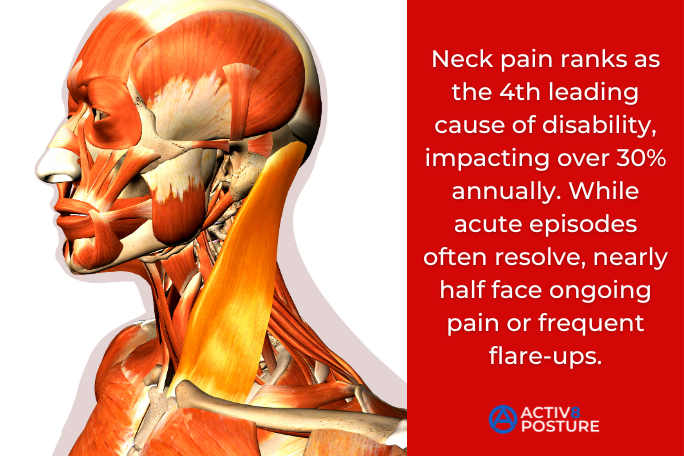
Most Common Causes
Tension or Muscle Strain
Daily activities, stress, or maintaining a single posture for extended periods can strain neck muscles, leading to discomfort. Muscle imbalances in the spine and body are among the most common causes of neck pain and can exacerbate neck stiffness and musculoskeletal issues.
Inflammation
Inflammation in the neck muscles or blood vessels can create a throbbing, consistent pain that’s hard to ignore. An inflammatory response to a neck injury is normal, but long-term inflammation can cause further problems.
Pinched Nerve or Cervical Radiculopathy
A compressed nerve root, often due to herniated discs or bone spurs, can cause sharp pain and even muscle weakness. A stiff neck and muscle spasms are ways the body tries to stabilize the cervical spine when the shock absorbers (intervertebral discs) aren’t doing their job.
Whiplash
Car accidents or sudden jerks can lead to whiplash, a condition where the cervical spinal cord suffers abruptly from ligamentsprain or muscle strain.
Acute Torticollis
Waking up with a twisted neck, unable to turn your head, could be a sign of this condition, often resulting from sleeping in an awkward position.
Less Common Causes
Herniated Cervical Disc
The cervical disc can protrude and press against a nerve root, leading to localized or radiating arm pain.
Cervical DiscDegeneration
Disc and joint changes in the neck are very common with age — they show up in most people over 65, including many with no pain at all. They can contribute to pain, but how the neck is loaded and moved day to day often matters as much as what a scan shows.
Cervical Fracture
A direct injury or a condition like osteoporosis can result in cervical fractures.
Spinal Stenosis
A narrowed spinal canal can exert pressure on the cervical spinal cord, leading to pain.
Heart Attack
Occasionally, left-sided neck or jaw pain is a symptom of a heart problem. Call 911 if neck pain comes with chest pain or pressure, shortness of breath, sweating, nausea, or pain spreading into the left arm or jaw.
Rare Causes
Spinal Tumors
Tumors on the cervical spinal cord can lead to persistent pain.
Congenital Abnormalities
Certain inherited issues related to cervical vertebrae can be a cause.
When to Seek Help?
Most left-sided neck pain is muscular and settles with the right movement and strengthening. See a doctor promptly if it:
- Comes with chest pain or pressure, shortness of breath, sweating or nausea — call 911
- Follows a fall, accident or blow to the head
- Comes with fever and a stiff neck
- Brings numbness, tingling or weakness in the arm, clumsy hands, or changes in balance or bladder control
- Comes with unexplained weight loss, or pain at night that rest doesn’t ease
- Keeps getting worse over a few weeks
Treatment of Neck Pain on the Left Side
Traditional Treatments
Over-the-countertreatment options like NSAIDS (ibuprofen or acetaminophen) might provide temporary pain relief. Muscle relaxants may be prescribed in some cases of neck or back pain. More targeted interventions, like corticosteroid injections or wearing a neck collar, can also be considered after consulting a healthcare provider.
These can calm a flare-up. The best-evidenced long-term piece is exercise: a Cochrane review of 27 trials found that combined neck, shoulder and shoulder-blade strengthening helped pain and function, and in office workers with neck pain, targeted neck and shoulder strengthening reduced pain more than the other approaches studied.
Balancing the Body: Understanding the Connection Between Posture and Left Side Neck Pain

Maintaining proper posture is not merely about standing tall; it’s a holistic approach that affects every part of our body. When we consider the intricate network of muscles, ligaments, and vertebrae, it becomes clear that an imbalance in one area can reverberate throughout the system. Let’s look into the mechanics of posture and their direct correlation with left-side neck pain.
- Spine Imbalances in the Lumbar and Thoracic RegionsThe spine is a continuous column, and an imbalance in the mid-back, lower back, sacrum, and pelvis can directly impact the upper back, including the neck. For instance, a forward tilt in the lumbar (lower back) region can force the thoracic (mid-back) to curve outward excessively. This, in turn, pushes the cervical (neck) spine into a forward position, straining the muscles and ligaments of the neck. Imagine it as a domino effect: if one domino falls out of alignment, it pushes the subsequent ones out of their places, too.
- Asymmetries and Compensations Lead to Left-Sided SymptomsOur bodies are naturally inclined to maintain equilibrium. So, when there’s an asymmetry—like one leg being slightly shorter than the other or a hip misalignment—it can trigger a series of compensations up the chain of our musculoskeletal system. This might involve the spine leaning slightly to one side to counterbalance, leading to additional strain on one side of the neck. The left neck pain could be a symptom of these compensations, making it crucial to address the foundational asymmetry.
- Repeated Patterns and Their ImpactThe human body is adaptable, which is both a boon and a bane. Repeatedly sitting with crossed legs, consistently carrying a heavy bag on one shoulder, or even regularly cradling a phone between the ear and shoulder can lead to posture misalignments. Over time, these repeated patterns can cause the muscles on one side to tighten, shorten, or weaken while the other side compensates. This tug of war can pull the cervical vertebrae out of their natural alignment, leading to neck pain. Thus, it’s crucial to be mindful of our daily habits and recognize the power of repetition on our body’s alignment.
In essence, the body’s posture is a delicate interplay of balance, alignment, and habit. Recognizing and addressing postural imbalances and patterns can be the key to alleviating and preventing left-side neck pain.
Posture Check: Is Your Left Neck Pain from Poor Posture?

The human body works best in good alignment. When we deviate from good posture, even slightly, it can lead to discomfort, strain, and eventually pain. In left-sided neck pain, poor posture is often the culprit lurking in the background. With a few simple posture checks, you can identify imbalances and misalignments in your body, providing insights to help you find relief and restore better health.
- Standing Balance Test:Stand comfortably without shoes and close your eyes. Now, notice your weight distribution. Is your weight even between your right and left feet? Or do you lean more on one side? Consistently favoring one side is a sign of imbalances throughout the body, including the spine. Over time, this strains the muscles and ligaments on both sides of the body, leading to various pains throughout the body, including the neck.
- Shoulder Check in the Mirror:While standing upright, look at your reflection in the mirror. Are your shoulders level? An elevated or drooping shoulder on one side can signal muscular imbalances or skeletal issues. Uneven shoulders mean one side of your neck is constantly working harder to support the head’s weight, leading to strain and, ultimately, pain on the affected side.
- Eye and Ear Alignment:While you’re still in front of the mirror, take a close look at your eyes and ears. Are they level? If not, it indicates lateral neck flexion or cervical spine rotation. This posture places extra pressure on the sides of the neck as the muscles try to compensate for the imbalance. Over time, this can manifest as one-sided neck pain, especially if left unaddressed.
The subtle hints our bodies give us about misalignments can be instrumental in understanding the root cause of our discomfort. Recognizing these signs and taking proactive measures can help alleviate and prevent left-sided neck pain caused by postural issues.
How to Relieve Severe Neck Pain on the Left Side from Bad Posture
In today’s world of prolonged sitting, technology usage, and repetitive motions, our bodies often deviate from their natural alignment, leading to several musculoskeletal issues—including severe left-sided neck pain. However, with a whole-body approach, you can combat the root causes of this pain and rediscover a life of comfort and mobility.
- Treat the Root Cause:It’s essential to recognize that not all neck pain is the same. The correct treatment hinges on the accurate identification of the underlying issue. Always consult with a health professional who can provide insights tailored to your specific condition. They’ll help you navigate the potential causes and guide you toward the most effective remedies.
- Posture Checks and Balance:As we’ve discussed, poor posture can be a primary contributor to left-sided neck pain. But how do you know if your posture is off? Regular posture checks, as mentioned earlier, can help you identify and rectify imbalances that could be aggravating your neck. By recognizing these deviations, you’re already on the path to a healthier, more comfortable neck.
- Integrate Posture-Corrective Exercises:In our modern lifestyles, we rarely use our bodies in the balanced, diverse ways they were designed for. This leads to specific muscles becoming overworked while others become underutilized, creating an imbalance. Incorporating posture-corrective exercises into your daily routine will help strengthen weakened regions, relieve overworked areas, and promote overall musculoskeletal balance. Individualized corrective exercises not only alleviate current pain but also fortify your body against future postural challenges.
Posture is more than just how you stand or sit—it reflects your daily habits, movement patterns, and lifestyle choices. By integrating proactive measures like posture checks and corrective exercises, you equip yourself to combat the challenges of modern living contributing to neck pain.
Frequently Asked Questions
What does pain in the left side of your neck mean?
It could indicate muscle strain, pinched nerves, injuries, or even broader health issues such as heart conditions. A comprehensive assessment by a medical professional is crucial to pinpoint the exact cause.
What causes pain in the left side of the neck?
Causes of left-side neck pain can range from common issues like muscle strain, inflammation, and herniated discs (often due to injury or underlying posture imbalances) to less common and more severe conditions such as spinal tumors or certain cardiovascular problems. X-rays or CT scans can help determine if there is an underlying problem.
Why do I have neck pain on my left side?
Several factors can lead to left-sided neck pain. Poor posture, especially during activities like prolonged sitting or using a computer, can strain neck muscles. Muscle tension from stress or overexertion, injuries, or underlying health conditions can also lead to pain on the left side of your neck.
How can I relieve pain in my neck?
Relief can come from a combination of rest, over-the-counter pain medications, heat or cold therapy, and exercises or stretches designed to improve posture and flexibility. It’s essential to consult with a healthcare professional or therapist to design an effective treatment plan tailored to your needs.
When should I worry about neck pain on the left side?
While occasional neck pain due to strain or overexertion is common, if the pain persists, is severe, or is accompanied by other symptoms such as headaches, numbness, weakness in the arms, difficulty swallowing, or dizziness, it’s crucial to seek medical attention. Persistent or worsening pain might indicate a more serious underlying condition that requires professional evaluation.
Sources
- Gross A, et al. Exercises for mechanical neck disorders. Cochrane Database of Systematic Reviews — 27 trials, 2,485 participants.
- Chen X, Coombes BK, Sjøgaard G, Jun D, O’Leary S, Johnston V. Workplace-based interventions for neck pain in office workers: systematic review and meta-analysis. Phys Ther 2018;98(1):40–62. doi:10.1093/ptj/pzx101
Where to go next
- Browse Pain & Conditions for more on this topic.
- Read how we treat chronic pain.
- Not sure where to start? A free 30-minute consultation and posture assessment, at one of our clinics or virtually, is the best first step.


